
A Closer Look at Child Advocacy
Our blog is a place to learn more about the work behind CASA advocacy. We share educational articles, thoughtful volunteer perspectives, and conversations about the needs of children and families involved in the child welfare system.
Explore the Blog
Browse our latest articles for perspectives on CASA advocacy, volunteer experiences, and issues affecting children and families. Select an article to read more.
Dioscelin's Story
At 16, many teenagers are thinking about grades, friendships, and what they'll wear to homecoming. They're beginning to imagine their futures while navigating all the ordinary challenges of growing up. For Dioscelin Vargas, life at 16 looked very different. After experiencing abuse in her home, Dioscelin entered foster care carrying more than any teenager should have to bear. Speaking up about what she had experienced took tremendous courage, but the circumstances that followed left her questioning whether she had made the right decision.
Initially placed with extended family, Dioscelin struggled with feelings of isolation and regret. Rather than finding the stability she desperately needed, she was surrounded by reminders of the experiences that had brought her into care. Overwhelmed by her circumstances, she eventually ran away from her placement. When she returned, her situation became even more difficult. With her belongings taken away and little connection to the outside world, Dioscelin found herself spending much of her time alone. Her emotional well-being had deteriorated, and she was struggling in ways that weren't immediately visible to everyone around her. But someone was paying attention.
Dioscelin's CASA volunteer, Wendy, was scheduled to visit but was out of town. Rather than postponing the visit, her Advocate Supervisor, Keyla, went in her place to check on Dioscelin. That visit came at a critical moment. Keyla recognized that Dioscelin was in serious emotional distress and needed immediate help. Her intervention ensured Dioscelin received the care and attention she needed during an incredibly vulnerable time. Dioscelin spent the following weeks receiving treatment while arrangements were made for a new placement. It was another period of uncertainty, but throughout it, Wendy and Keyla continued reaching out. They called to check on her and made sure she knew she hadn't been forgotten.
Eventually, Dioscelin was placed with a foster family. Although her new home offered the possibility of a fresh start, learning to feel safe again wasn't something that happened overnight. She remembers being hesitant to leave her room, unsure of what might happen if she did something wrong. The experiences she had endured made it difficult to trust that her new circumstances could be different. Around that time, Wendy reached out to Dioscelin through her foster father. Without a phone of her own, Dioscelin had no way of knowing who was calling. When she picked up and heard Wendy's familiar voice, she was surprised. Wendy hadn't forgotten about her.
It was a simple phone call, but for Dioscelin, it meant something much bigger. Even as her circumstances changed, someone was still thinking about her and making the effort to stay connected. As the weeks turned into months, Dioscelin slowly began to settle into her new home. She started attending church with her foster family and grew close to their daughter, who was around her age. She enjoyed spending time with her foster dad, and little by little, the fear that had once kept her isolated began to ease. Wendy noticed the difference.
Seeing how much Dioscelin was growing in her new environment, Wendy asked her an important question: Was this where she wanted to stay? Dioscelin's answer mattered. Wendy continued advocating for her best interests and for the stability she was beginning to experience with her foster family. With time, her grades improved. She became more comfortable expressing herself and began enjoying the everyday experiences of being a teenager. The home that had once felt unfamiliar was becoming a place where she belonged.
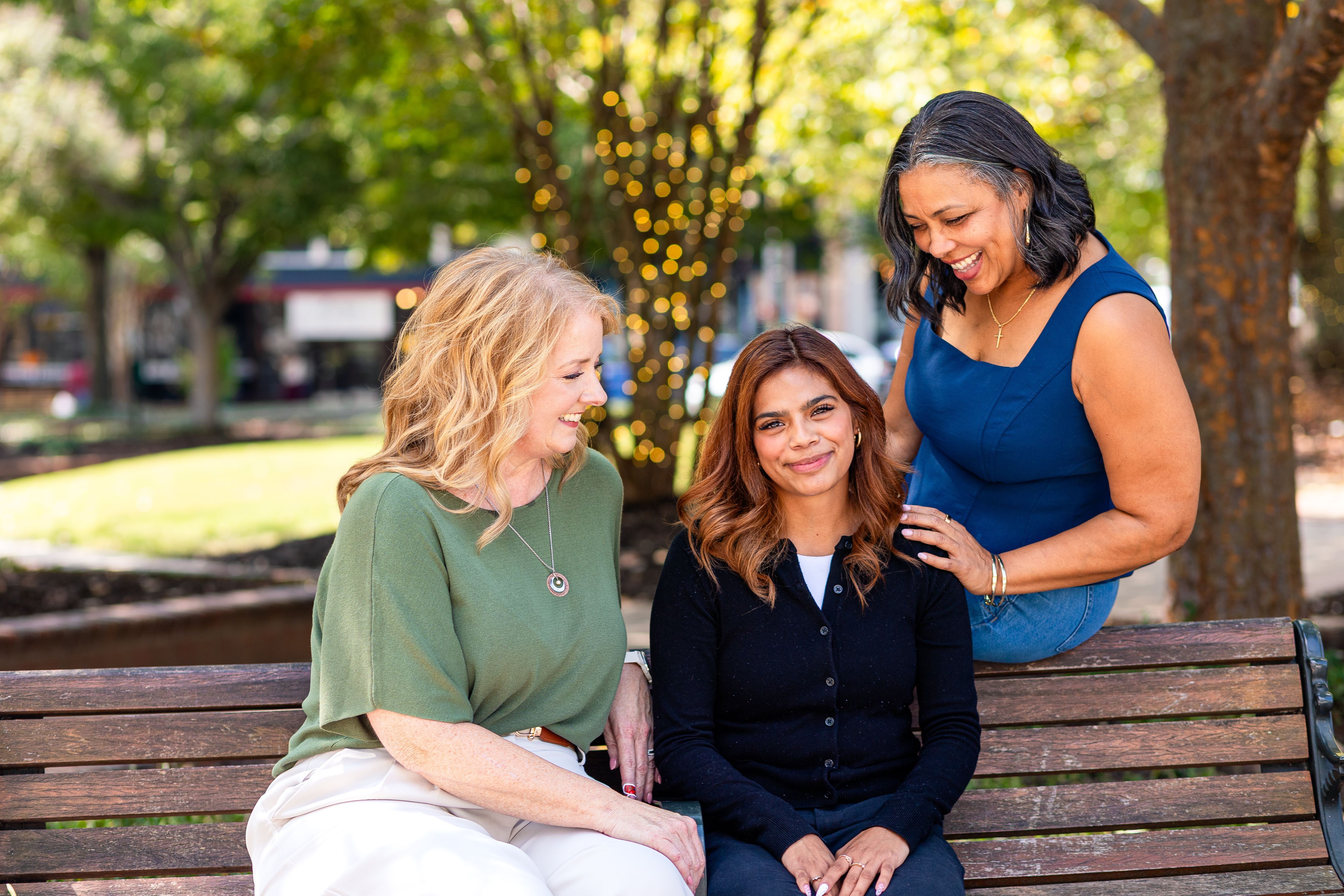
When Dioscelin graduated from high school, Wendy and Keyla were there to celebrate with her. But their relationship didn't end at graduation, or even when their formal involvement in her case came to an end. As Dioscelin moved into adulthood, she continued keeping in touch with both women. They met regularly to catch up, and Wendy became one of the first people Dioscelin wanted to call whenever something important happened in her life. She affectionately describes Wendy and Keyla as additional mothers in her life. What began as a professional relationship during one of her most difficult chapters had grown into a lasting connection built on trust. That connection would eventually help lead Dioscelin back to CASA.
After high school, Dioscelin enrolled at Lanier Technical College to study criminal justice. She had long been interested in becoming an attorney, but her own experiences began shaping a more specific vision for her future. She wanted to work in family law and help children and families navigating difficult circumstances. She later transferred to the University of North Georgia, where she decided to pursue a degree in Human Services. As she considered her career path, Dioscelin found herself reflecting more deeply on her own experiences. For a long time, she had been hesitant to share her story with others. She worried about how people might react or whether they would see her differently if they knew she had been in foster care. When friends asked why she wanted to work in a helping profession, she often gave a simple answer: she wanted to help people who felt they weren't being heard. But privately, she knew there was more to it. She had lived through some of the very circumstances she hoped to help others navigate. She understood what it felt like to be uncertain about the future and how much it could mean to have someone who genuinely cared.
As she grew more comfortable with her story, Dioscelin began opening up to the people closest to her. Sharing her experiences became less painful, and she started recognizing that her past could help shape the difference she wanted to make. When it came time to find an internship for her new major, she began searching online for opportunities. Then she stopped herself. Why was she looking everywhere else when there was an organization that had already played such an important role in her life? She reached out to Keyla.
Soon afterward, Dioscelin joined Hall-Dawson CASA as an intern, returning to an organization she once knew from an entirely different perspective. Today, some of the most meaningful moments of her internship happen in the courtroom. She remembers sitting in those same courtrooms as a teenager, waiting for decisions that would shape her future. Now, she returns as part of the CASA team, observing the process from the other side. During one court appearance, she even had the opportunity to reconnect with the judge who had presided over her case. The judge recognized her and took a moment to catch up privately, expressing how happy she was to see Dioscelin doing well.
For Dioscelin, experiences like these are reminders of just how much her life has changed. She can look across the courtroom and remember the teenager she once was. She also knows that somewhere in that room, another young person may be facing the same uncertainty she once felt. And now, she has an opportunity to be part of the support that child receives.
Dioscelin's journey has not been easy, and she doesn't pretend otherwise. But the relationships she formed during her time in care helped her see that the circumstances of her childhood did not have to define the possibilities of her future. Wendy and Keyla couldn't erase the difficulties Dioscelin experienced. What they could do was remain present, take her concerns seriously, and remind her through their actions that she mattered. Years later, those relationships are still part of her life. And now, the young woman who once needed someone to advocate for her is preparing to offer that same commitment to another child.
Dioscelin's story is a reminder that the impact of CASA advocacy doesn't always end when a case closes. Sometimes, it continues through graduations, college years, and the milestones that follow. Sometimes, the child who once needed someone in their corner grows up and decides to become that person for someone else.
Hear from the People Who Serve
CASA volunteers bring unique life experiences and a shared willingness to show up for children. Their perspectives can help others understand both the responsibility and the rewards of advocacy.
Explore genuine volunteer reflections and learn what it means to serve as a Court Appointed Special Advocate.
